Signs It’s Time to Replace Your Commercial Refrigerator

22 Jun, 2026

source
Share Post:


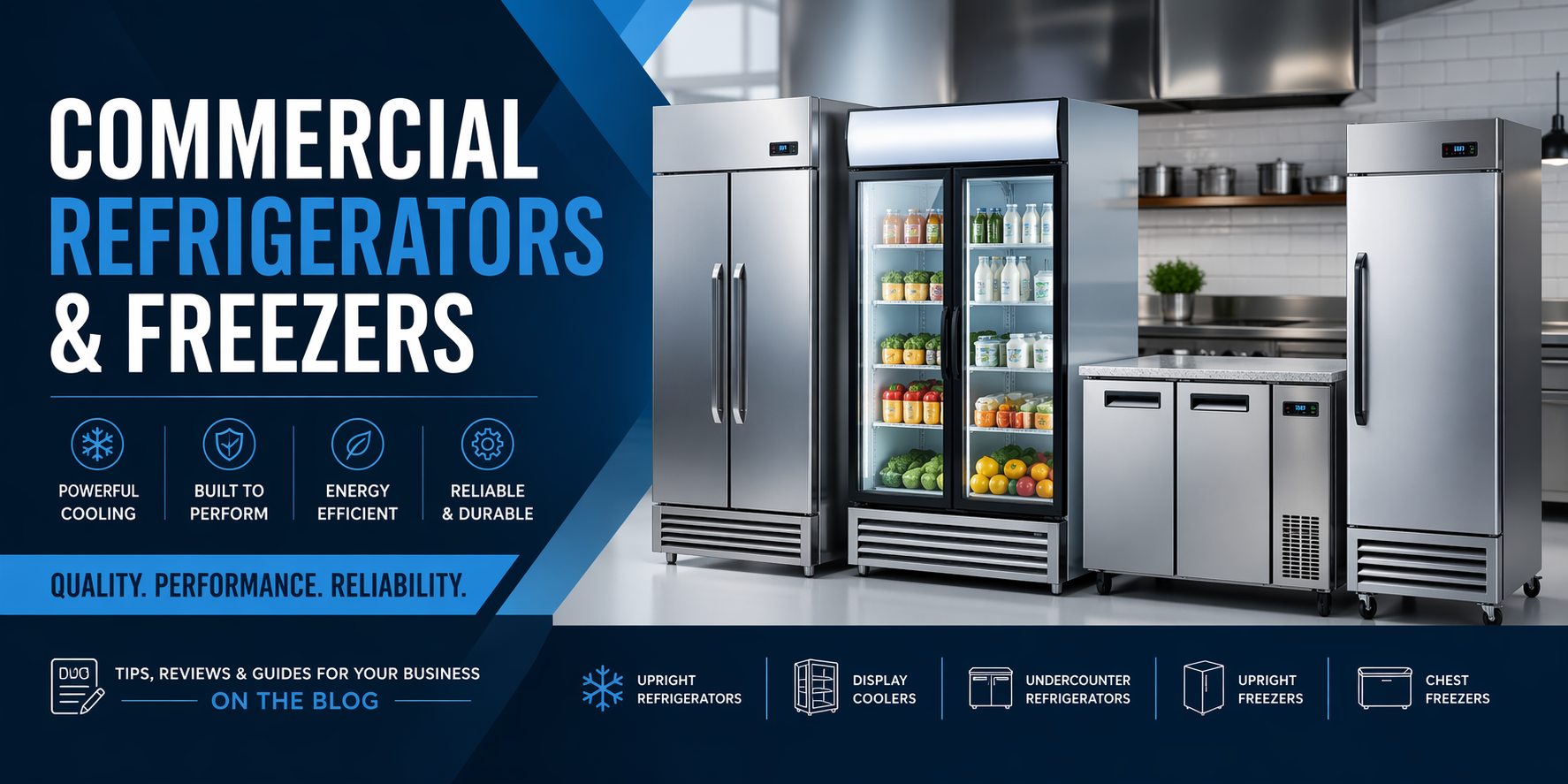
Commercial refrigerators are built to last, but no equipment lasts forever. Knowing when to replace rather than repair can save money, reduce downtime, and protect food safety.
Here are key signs it may be time to invest in a replacement.
Inconsistent Temperatures
Fluctuating temperatures put food safety at risk and often indicate failing compressors, insulation breakdown, or control issues.
Rising Repair Costs
Frequent service calls and escalating repair bills are a strong signal that replacement may be more cost-effective than continued repairs.
Increased Energy Consumption
Older units often consume significantly more energy than newer models. Rising utility costs can quickly outweigh the investment in modern, efficient equipment.
Physical Wear & Structural Damage
Rust, worn gaskets, door alignment issues, and damaged interiors reduce efficiency and sanitation compliance.
Brand, Build Quality & Age
High-quality manufacturers such as True, Continental, and Dukers are known for durability, but even the best equipment reaches the end of its lifecycle.
Most commercial refrigerators last 8–15 years, depending on usage and maintenance.
Evaluating Repair vs Replacement
If repair costs exceed 50% of replacement value or downtime affects operations, replacement is often the smarter long-term choice.
Planning Ahead
Replacing refrigeration before failure allows time to plan sizing, layout, and installation without disrupting service. Proactive replacement supports food safety, efficiency, and operational reliability.
Having an experienced partner evaluate your equipment can help determine the right timing and solution for your operation.